Article
Sometimes You Need to Play
A note on curiosity, hidden connections, and remixing a kid’s piano recordings
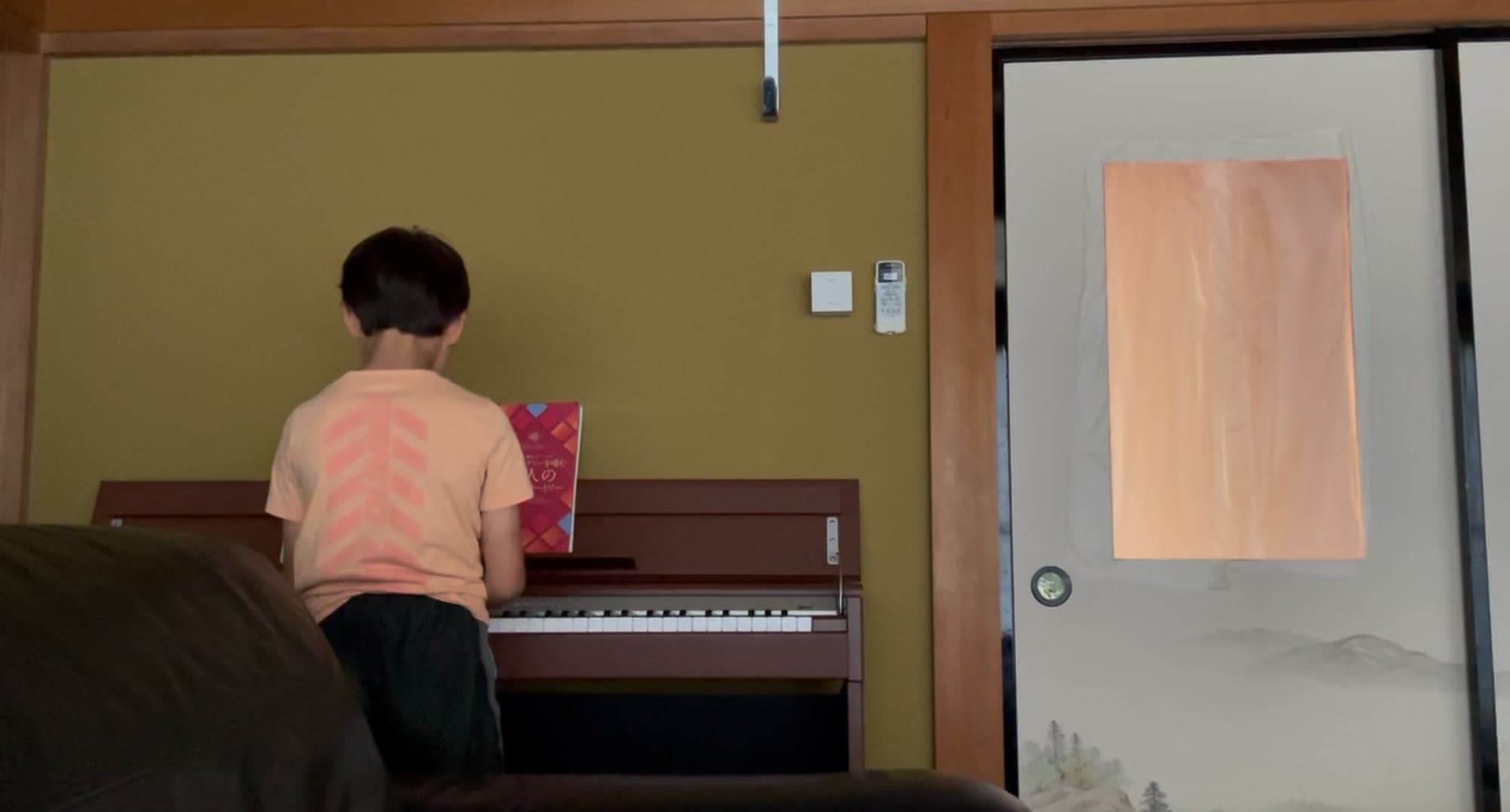
Not everything you build needs to solve a problem. Not every experiment needs a roadmap, a ticket, or a measurable outcome. Sometimes you just need to make something because it’s fun, because you’re curious, because you can’t help yourself.
That impulse, the unscripted kind of tinkering, is more valuable than it looks.
A quick caveat: yes, I wrote the book
I know what you might be thinking. I wrote The Problem-First Method. And this post probably sounds like it goes against everything in it.
It doesn’t, but I understand why it might seem that way.
Nothing is completely dogmatic. Everything exists on a spectrum. For your daily product work, for shipping features that actually serve users, for building things that last, the Problem-First mindset matters enormously. Start with the problem. Understand it deeply. Don’t build solutions in search of questions. I stand behind all of it.
But innovation doesn’t only live in that space. New ideas, side projects, moments of genuine creative breakthrough, those often come from somewhere less structured. You can’t schedule a hidden connection. You can’t ticket your way to an unexpected insight.
Seeking hidden connections
One of the values we hold at Ambiki is Seek Hidden Connections. The idea is simple but powerful: the most innovative solutions rarely come from staring straight at the problem. They come from the edges, from combining things that had no business being combined.
Steve Jobs talked about this when he described dropping in on a calligraphy class at Reed College after dropping out. He had no practical reason to be there. It was pure curiosity. Years later, that course became the foundation for the beautiful typography of the original Macintosh, something no computer had ever had before. He couldn’t have connected those dots looking forward. Only looking back.
At Ambiki, who would have guessed that a fraud audit tool would find its inspiration in translation and natural language processing? That’s exactly what happened. The connection wasn’t obvious until we stopped looking for obvious connections.
My son’s piano recordings
I have eclectic taste in music. Always have. And recently, my son has been recording original songs on the piano. The recordings themselves aren’t perfect, with small mistakes here and there, but the actual ideas? The beats, the structures, the unexpected turns in the melody? They’ve been blowing us away.
He composed the original piece entirely from his head.
So I started playing. I took his recordings and began experimenting with AI music editors to remix them. No agenda. No goal. Just curiosity about what might happen when you feed something raw and human into a tool designed to process it differently.
The Japanese line in this one, 「助手席シートベルトを着用してください」 (“Please fasten the passenger seat belt”), was a kind of found art: I heard it in the car and wanted to try incorporating it into a track. My kids hated it but also found it hilarious and couldn’t stop laughing.
I couldn’t resist: my own lyrics over his melody.
The results have been fascinating. Not always polished. Sometimes strange. Occasionally surprising in ways neither of us expected. But that’s the whole point. Play isn’t about polish. Play is about discovery.
Why this matters for building products
There’s a tendency in product work to justify every hour, to make sure every experiment maps to a goal. And much of the time, that discipline is necessary. But if that’s all you do, you cut off the supply line for your most original ideas.
The remixing of piano recordings has nothing to do with what we build at Ambiki. Or maybe it does, and I just can’t see it yet. That’s the bet you make when you allow yourself to play. You’re investing in a connection that doesn’t exist yet.
Give your teams space to tinker. Give yourself permission to build things that solve no problem. Follow the thread that has no obvious destination.
You never know which calligraphy class will end up shaping everything.