The Problem-First Method
Press
Conversations and writing where The Problem-First Method — and the case for building products around real problems — has shown up: podcast appearances and articles published elsewhere.
Podcast appearances
Podcast
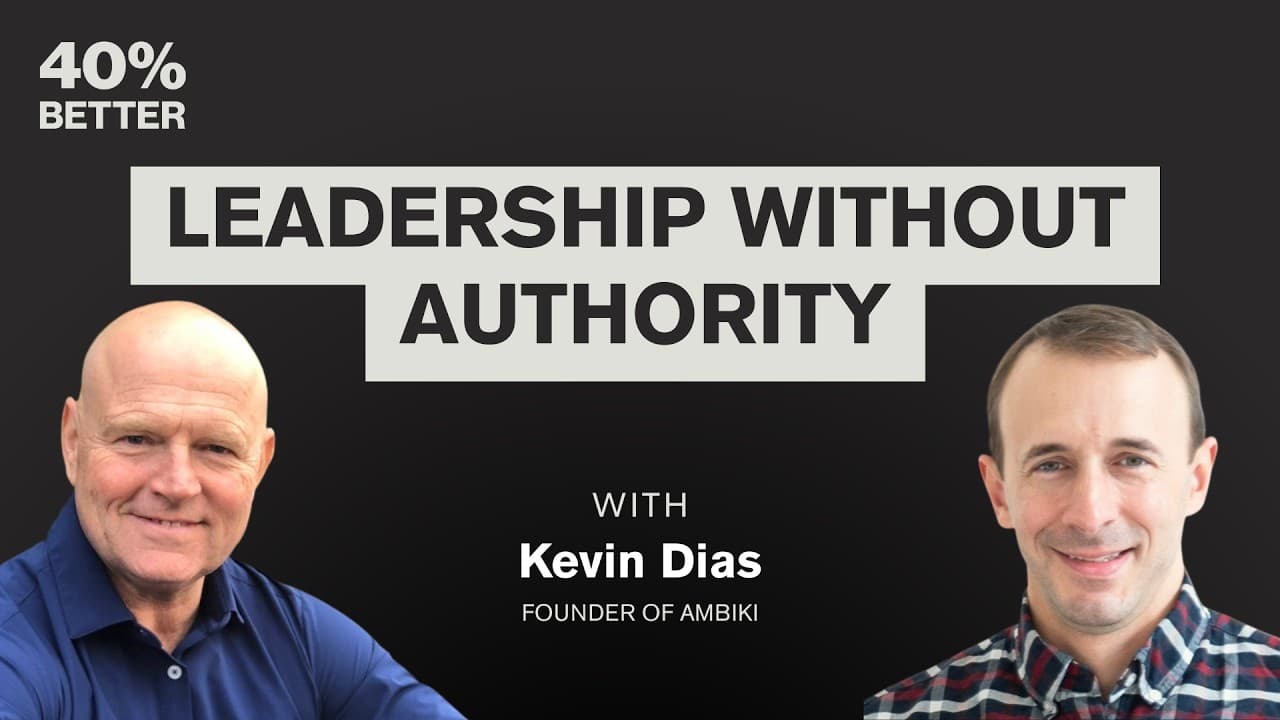
Leadership Without Authority | Kevin Dias
40% Better Podcast · Hosted by Bill Lennan
Aug 31, 2026 · 55 min
Leadership is not a job title. It starts long before anyone hands you authority — with trust, relationships, and a willingness to solve problems nobody asked you to solve.
In this conversation with Bill Lennan on the 40% Better Podcast, I trace a leadership journey that began with founding a college ski team and carries through to leading Ambiki’s fully remote, distributed team today. We discuss one-way and two-way door decisions, Nemawashi and building buy-in before the meeting, psychological safety, asynchronous communication across time zones, and why our developers attach videos to GitHub pull requests — a habit that improves communication and even catches bugs before they ship.
We also spend a lot of time on the voice of the customer: how “Coffee with Kevin” sessions put our development team in direct conversation with speech-language pathologists, and why human customer support still beats rushing to a chatbot. That is The Problem-First Method in practice — understand the problem behind the request before you build the solution someone asked for.
Watch on YouTube →
(opens in a new tab)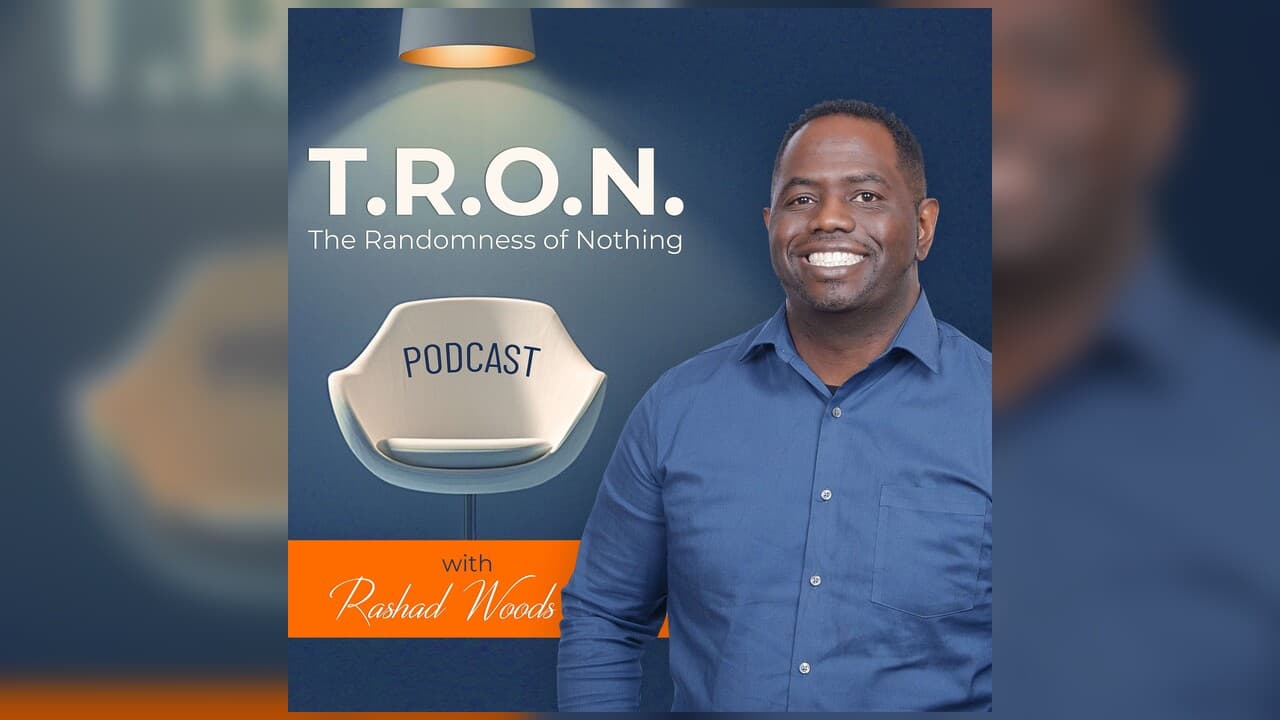
Podcast
Kevin Dias: Coding Smarter Software for Clinicians
The T.R.O.N. Podcast · Hosted by Rashad Woods
Jul 28, 2026 · 28 min
Software for clinicians only works when it starts with the clinician’s day, not the developer’s idea of it.
In this conversation with Rashad Woods on The T.R.O.N. Podcast, I talk about the winding path that led to Ambiki — from investment banking to teaching English in Japan to software development — and why I ended up building a platform for pediatric speech, occupational, and physical therapy practices. We discuss the administrative weight that sits on therapists — scheduling, documentation, insurance billing — how teletherapy went from a side capability to a lifeline during COVID, and what it takes to run a fully remote team spread across time zones.
The thread through all of it is The Problem-First Method: get close enough to the real workflow and its constraints, and the software you should build becomes obvious — coding smarter starts with understanding deeper.
Listen →
(opens in a new tab)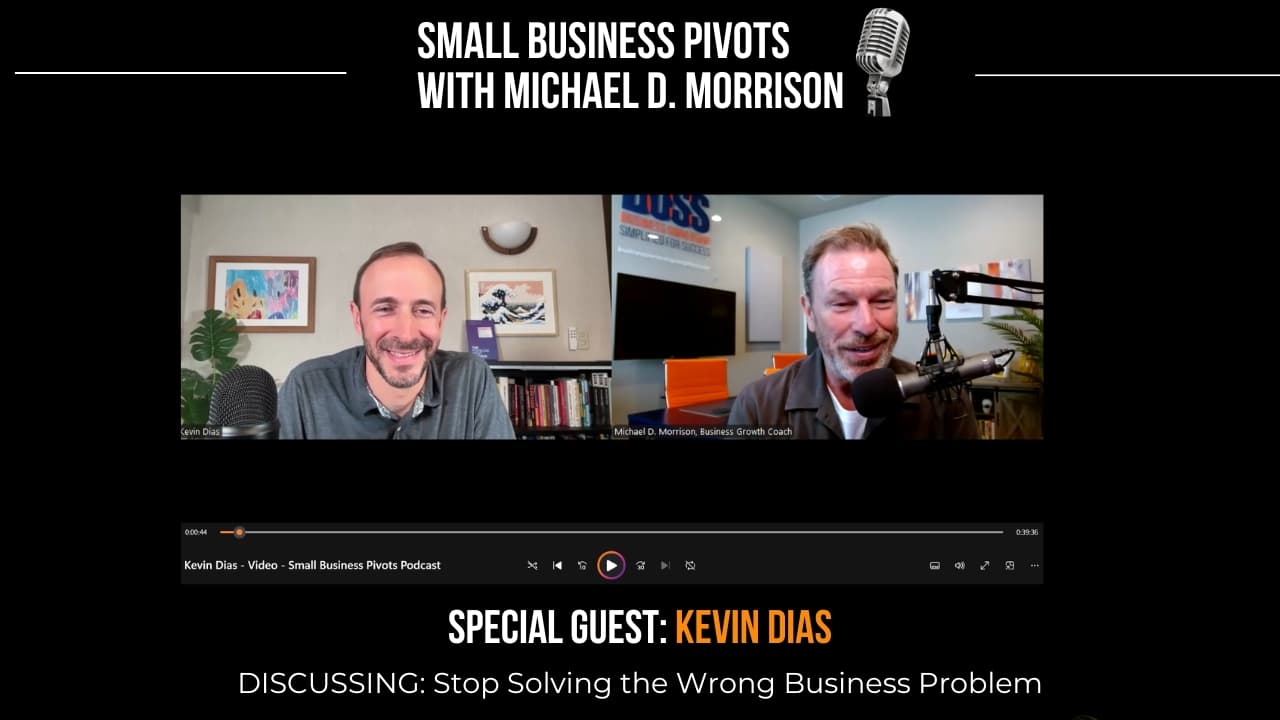
Podcast
Stop Solving the Wrong Business Problem | Kevin Dias
Small Business Pivots · Hosted by Michael D. Morrison
Jul 22, 2026 · 39 min
The most expensive thing a small business can build is the right solution to the wrong problem.
In this conversation with Michael D. Morrison on Small Business Pivots, I talk about why business owners so often pour time and money into fixes that never touch the real issue — and how to slow down just long enough to find out what is actually broken. We discuss the pull of solution-first thinking, why customer complaints and feature requests are clues rather than instructions, and how asking better questions changes what you decide to build next.
That is the heart of The Problem-First Method: understand the problem deeply enough — the people, the workflow, the constraints — and the right solution stops being a guess.
Listen →
(opens in a new tab)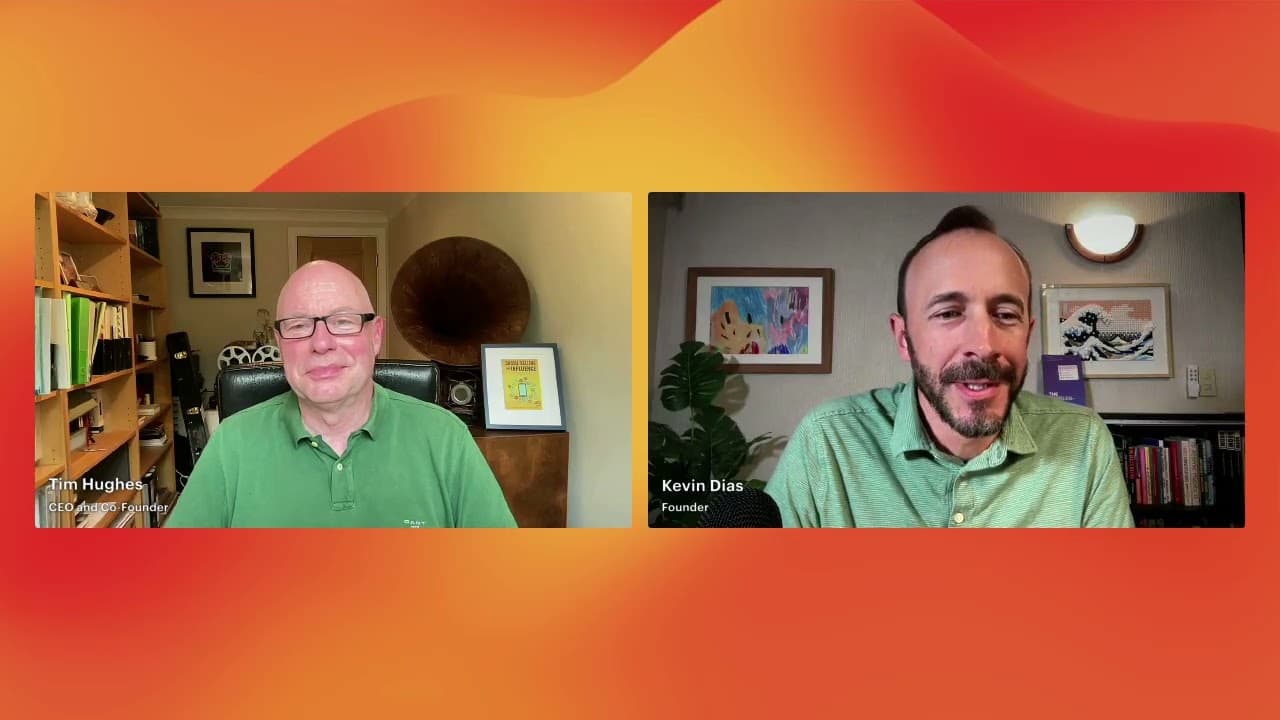
Podcast
#TimTalk – How to Tell What Customers Actually Need (Not What They Say They Want) with Kevin Dias
#TimTalk · Hosted by Timothy Hughes
Jul 9, 2026 · 26 min
Customers are experts in their pain, not in your product. What they ask for is a clue, not a spec.
In this conversation with Timothy Hughes on #TimTalk, I talk about how to tell what customers actually need — not just what they say they want. We discuss why feature requests are usually symptoms of a deeper problem, how to ask the questions that surface the real workflow and constraints behind a request, and why taking requests at face value leads teams to build the wrong thing with great confidence.
That is the core of The Problem-First Method: stay curious a little longer, dig beneath the stated solution, and make sure you understand the problem well enough that the right answer becomes obvious.
Watch on YouTube →
(opens in a new tab)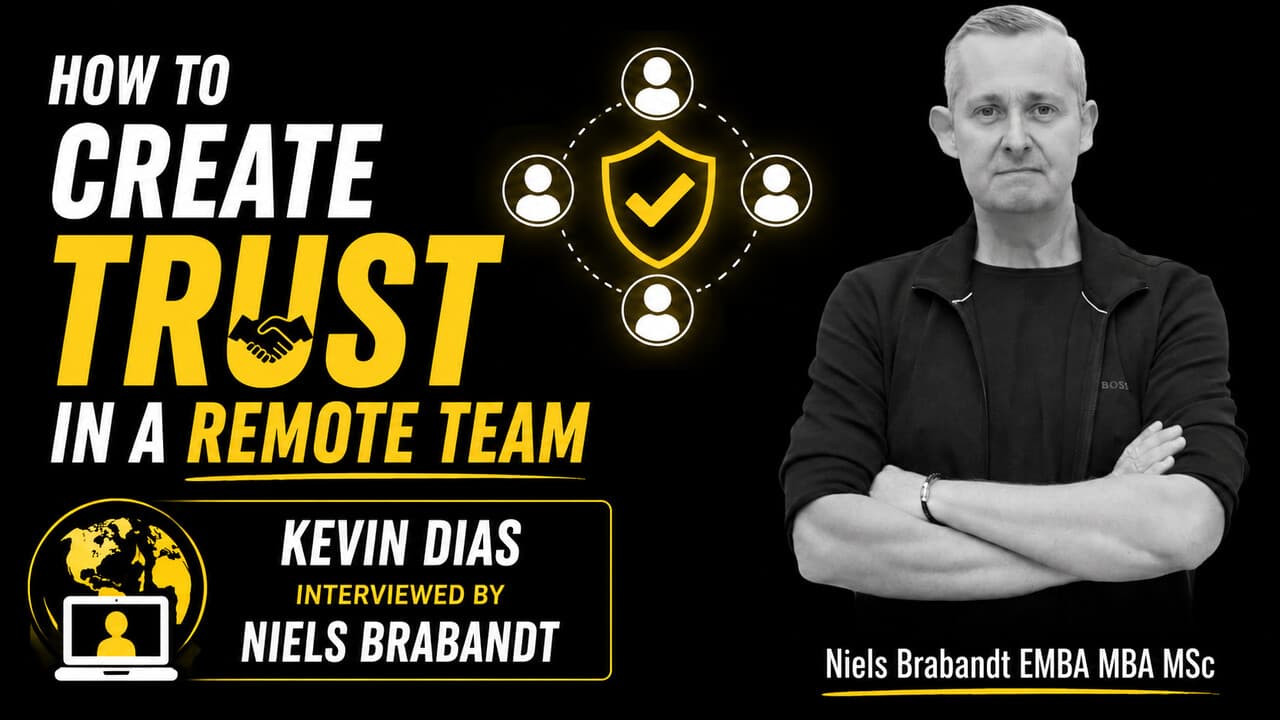
Podcast
#546 How To Create Trust In A Remote Team | Kevin Dias Interviewed By Niels Brabandt
The Leadership Podcast · Hosted by Niels Brabandt
Jul 8, 2026 · 12 min
How do you build trust in a team where colleagues may never share the same office?
In this second conversation with Niels Brabandt on The Leadership Podcast, I talk about leading a fully distributed team from Japan, with teammates across the United States and several other countries. Trust starts with hiring for autonomy and strong written communication, but it cannot stop there — we discuss team working agreements, asynchronous communication, visible decision-making, predictable meeting rhythms, and psychological safety without micromanagement.
The same discipline runs through The Problem-First Method: make your thinking visible, connect flexibility to accountability, and know which decisions are one-way doors and which are two-way doors — so the team can move fast where it is safe to, and slow down where it matters.
Listen →
(opens in a new tab)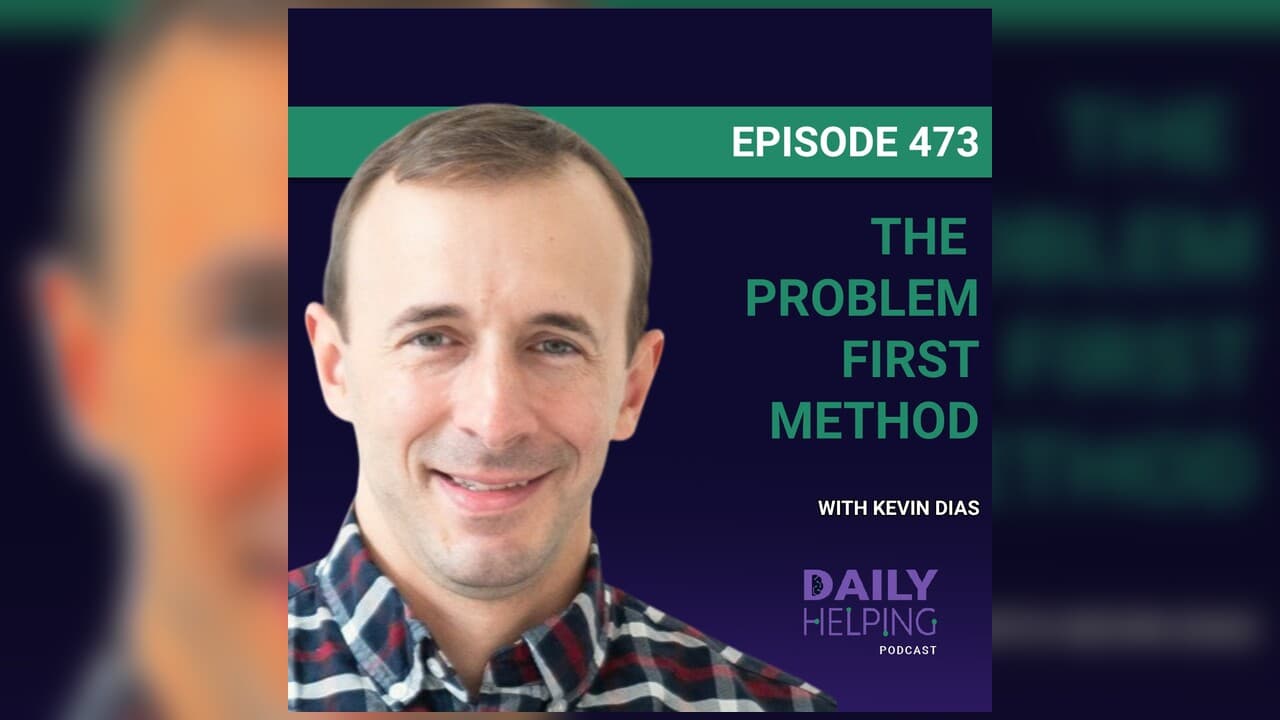
Podcast
473. “Don’t Fall in Love with Solutions” | The Problem First Method with Kevin Dias
The Daily Helping · Hosted by Dr. Richard Shuster
Jul 6, 2026 · 26 min
Don’t fall in love with solutions. Fall in love with understanding the problem deeply enough that the right solution becomes obvious.
In this conversation with Dr. Richard Shuster on The Daily Helping, I talk about why teams so often rush into building solutions before they fully understand the problem — and how customer requests, investor pressure, competitor moves, and now AI all make it easier to build quickly, but not always wisely.
We discuss the ideas behind The Problem-First Method: slowing down, asking better questions, removing solution language from early planning, and building from a clearer understanding of what actually needs to be solved. Whether you are building software, managing a team, or navigating everyday challenges at home, thoughtful problem-solving starts with curiosity, not assumptions.
Listen →
(opens in a new tab)
Podcast
Ep. 15 Why AI Will Never Replace the Therapist | Kevin Dias, Founder of Ambiki
Assistive Tech Today Podcast · Hosted by Vinny L
Jun 14, 2026 · 28 min
AI is moving fast, but in therapy, the real opportunity is not replacing the therapist. It is removing the friction around the therapist.
In this conversation, I talk about why the human side of care still matters most: judgment, empathy, creativity, trust, and the ability to understand what is really happening with a child and family. AI can help with documentation, planning, admin work, and pattern recognition, but it should support the clinician’s work, not pretend to be the clinician.
That idea connects closely to The Problem-First Method: useful technology starts by understanding the real problem. Not the shiny solution. Not the trend. Not the feature everyone is talking about. The real problem.
Watch on YouTube →
(opens in a new tab)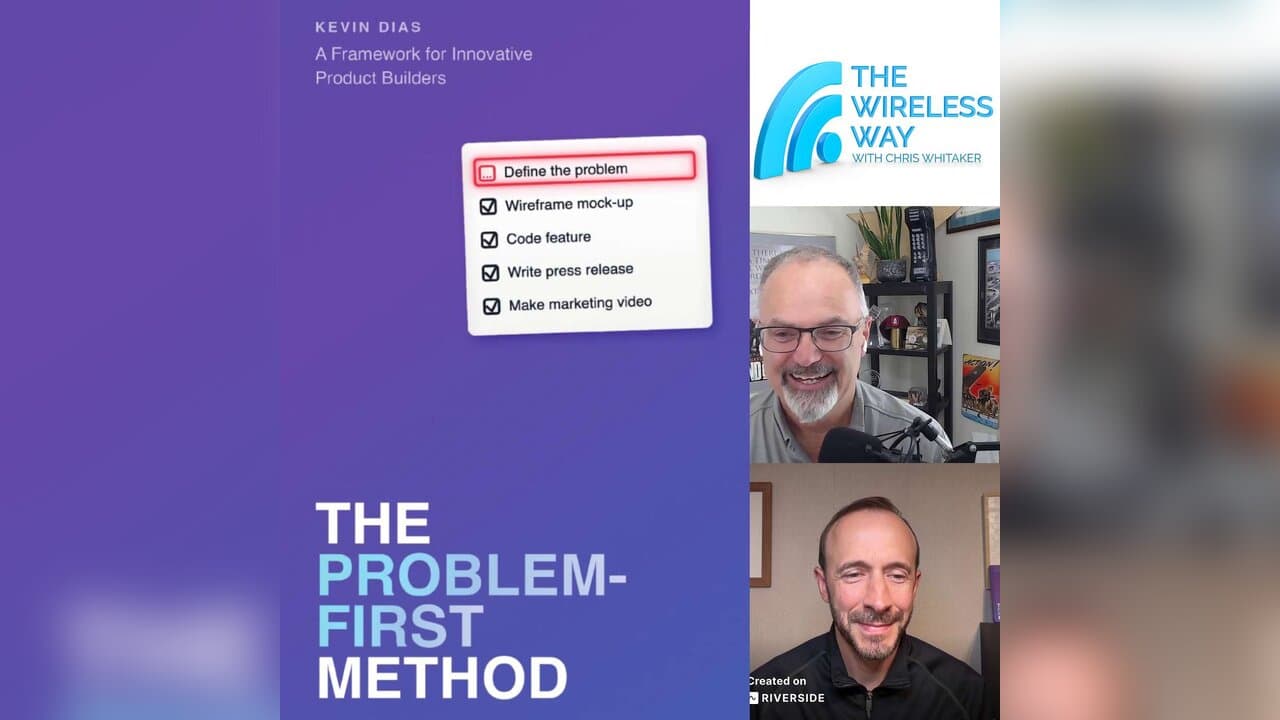
Podcast
Problem First Method: Building Clarifying Products by Asking Better Questions
The Wireless Way · Hosted by Chris Whitaker
Jun 11, 2026 · 45 min
Better products rarely come from better guesses. They come from better questions.
In this conversation with Chris Whitaker on The Wireless Way, I talk about the core idea behind The Problem-First Method: before we rush toward solutions, features, roadmaps, or shiny new technology, we need to slow down long enough to understand the real problem.
We discuss problem-first vs. solution-first thinking, the Feature Alignment Document, the Five Whys, AI’s role in product development, and how teams can avoid building the wrong thing faster. The lesson is simple, but easy to forget: clarity at the problem level saves pain at the product level.
Listen →
(opens in a new tab)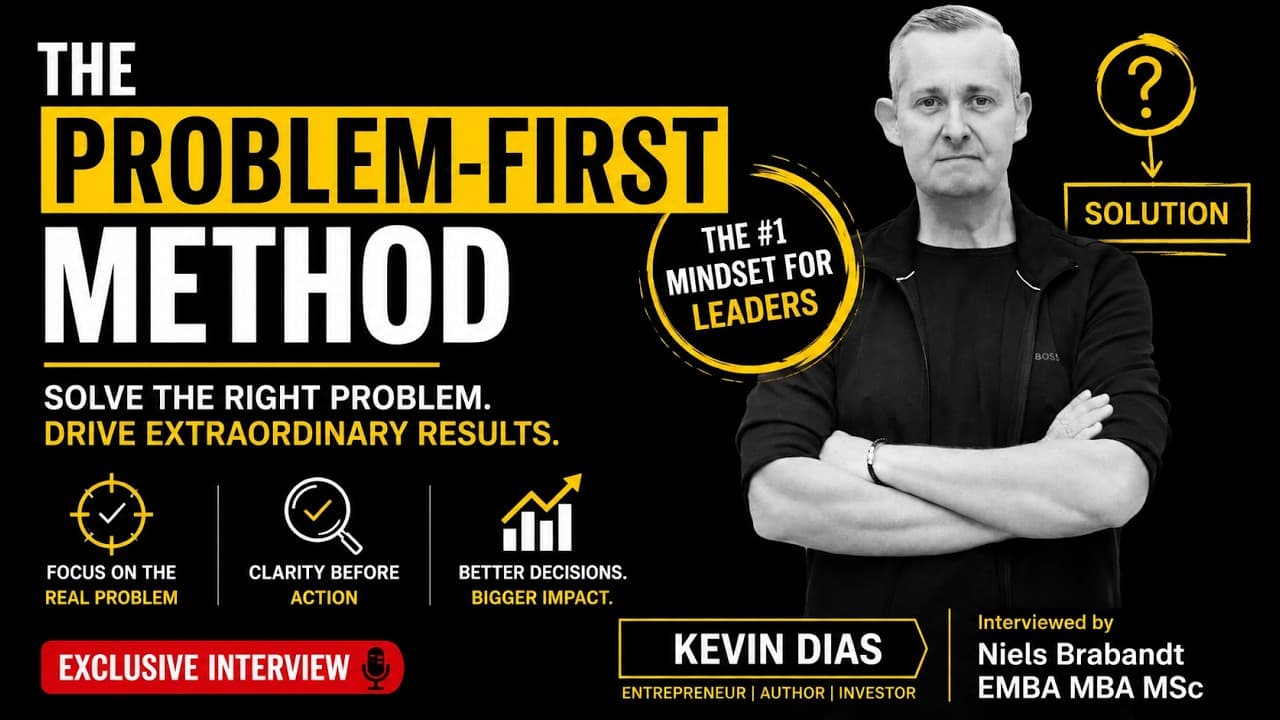
Podcast
#533 The Problem-First Method | Kevin Dias Interviewed By Niels Brabandt
The Leadership Podcast · Hosted by Niels Brabandt
Jun 10, 2026 · 10 min
Smart teams do not usually build the wrong thing because they are careless. They build the wrong thing because they move too quickly from pain to solution.
In this conversation with Niels Brabandt, I talk about why organizations so often skip the hard part: clarifying the real problem before committing to a plan, feature, strategy, or product direction. We discuss leadership, decision-making, team alignment, and the danger of confusing activity with progress.
That is the heart of The Problem-First Method: before you ask, “What should we build?” ask, “What problem are we actually solving?”
Watch on YouTube →
(opens in a new tab)
Podcast
Author Interview with Kevin Dias
P. English Literature · Hosted by Peter Okonkwo
Jun 10, 2026 · 28 min
A book usually starts long before the first sentence is written.
In this author interview, I talk about the experiences that shaped The Problem-First Method: building Ambiki, working in pediatric therapy technology, learning from mistakes, and realizing how often teams rush toward solutions before they understand the actual problem.
The conversation is partly about the book, but it is also about the work behind the book: building software, serving a niche customer base, asking better questions, and learning that the most useful ideas usually come from staying close to the real-world pain.
Watch on YouTube →
(opens in a new tab)
Podcast
From CTO to Founder: How Kevin Dias Is Revolutionizing EMR for Pediatric Therapy Clinics
WillPower Podcast · Hosted by Will Holdren
Jun 8, 2026 · 32 min
The best products often come from living with the problem long enough that you can no longer ignore it.
In this conversation on the WillPower Podcast, I talk about the path from CTO to founder, and why I built Ambiki after seeing how difficult it was to scale a pediatric therapy organization with tools that were never really designed for pediatric speech, occupational, and physical therapy practices.
We discuss the operational chaos behind therapy work, the gaps in traditional EMRs, what it means to build a healthcare startup from Japan, and why the right technology should give clinicians more time and energy for the people who matter most: their patients.
That is also the heart of The Problem-First Method: the best ideas do not start with a feature. They start with a problem you understand deeply enough to build for.
Listen →
(opens in a new tab)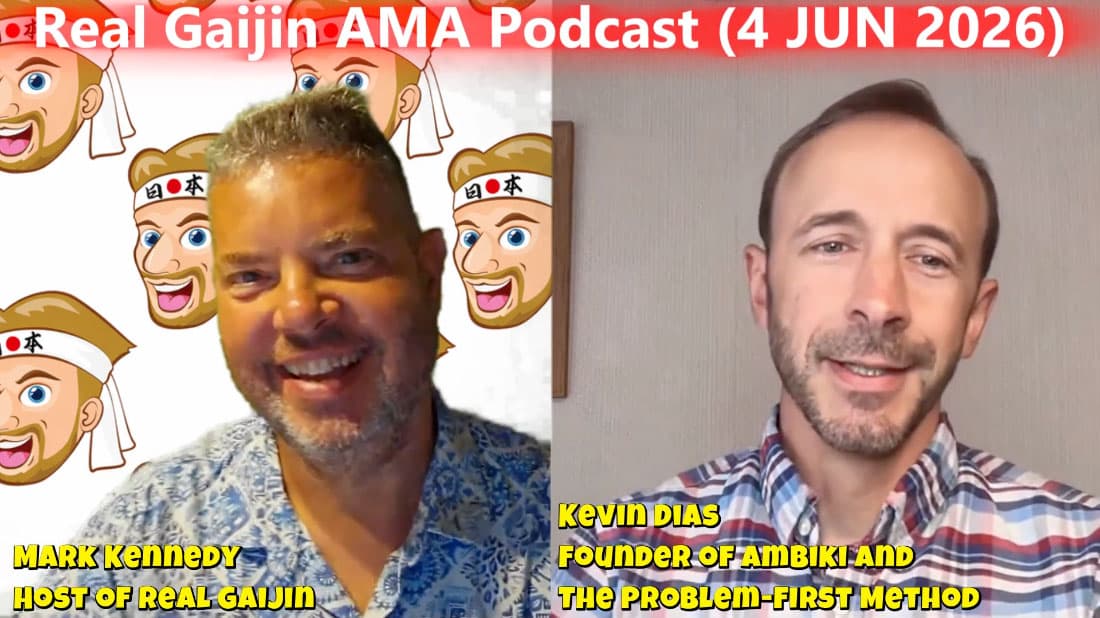
Podcast
AMA Podcast (S2, E16) with Kevin Dias
Real Gaijin · Hosted by Mark Kennedy
Jun 4, 2026 · 54 min
Sometimes the best product ideas come from getting close enough to a problem that the old way starts to feel impossible to accept.
In this AMA Podcast conversation, I talk about building Ambiki from Japan and the work behind creating better tools for pediatric speech, occupational, and physical therapy practices. We discuss entrepreneurship, healthcare technology, and what it means to build software for a field where the stakes are not just operational, but deeply human.
That connects directly to The Problem-First Method: before you build, you have to understand the people, the workflow, the constraints, and the real pain underneath the request. The better you understand the problem, the more useful the solution can become.
Watch on YouTube →
(opens in a new tab)
Podcast
Empowering Pediatric Therapy: Purposeful Design and Innovation
The Inspired Choice · Hosted by Dr. Caroline Biesalski
May 31, 2026 · 18 min
Healthcare technology should not make meaningful work harder.
In this conversation on the Inspired Choice Podcast, I talk about pediatric therapy, therapist burnout, and why Ambiki was built with a therapist-first design approach. We discuss the operational complexity behind clinics, the pressure on clinicians and staff, and why better software should reduce friction instead of adding another layer of work.
That connects directly to The Problem-First Method: useful tools come from understanding the real workflow, the real constraints, and the real people behind the problem. The goal is not to build more features. The goal is to build something that makes the work more sustainable, more clear, and more human.
Listen →
(opens in a new tab)Featured articles
Article
An Open Book with Kevin Dias
IndieReader
TL;DR
An entry in IndieReader’s “An Open Book” interview series, published after The Problem-First Method earned 4+ stars and the IndieReader Approved seal. Kevin Dias shares the two reasons he wrote the book — leaving his kids a record of how he thought and worked, and making sense of a stretch of product decisions that didn’t sit right — along with his scene-first writing process and hard-won indie publishing lessons, from learning about Advance Review Copies too late to discovering that editing is where you figure out what is actually worth saying.
Jul 27, 2026
Read article →
(opens in a new tab)Article
An Interview with Kevin Dias: Author of The Problem-First Method
Self-Publishing Review
TL;DR
An author interview with Kevin Dias — founder of Ambiki and a former CTO — on why he wrote The Problem-First Method and chose to self-publish it. He unpacks how teams believe they are customer-focused while quietly drifting into solution-first thinking, and shares hard-won launch advice: start lining up Advance Review Copies far earlier than you think.
Jun 24, 2026
Read article →
(opens in a new tab)Article
The Business Books That Change How We Think, Not Just What We Do
BookViral Book Reviews
TL;DR
A look at the business books that change how we think, not just what we do — with The Problem-First Method held up as a prime example. The argument: meaningful innovation starts with curiosity and a real understanding of the customer’s problem, not a rush toward the solution.
Jun 18, 2026
Read article →
(opens in a new tab)Article
The Problem First Method: A Modern Approach to Solution Development
TL;DR
Chris Whitaker distills the Problem-First Method into four practices — pause on the request, ask probing questions, explore alternatives, and iterate on feedback — around Kevin Dias’s line that “the most expensive thing you can build is the right solution to the wrong problem.” His warning: AI only accelerates that mistake when solutions are not checked against the real problem.
Jun 12, 2026
Read article →
(opens in a new tab)Article
Kevin Dias Releases The Problem-First Method, A Practical Guide for Product Builders
openPR
TL;DR
The launch announcement for The Problem-First Method, a framework for founders, PMs, and builders deciding what to build. It introduces the book’s core tools — the Feature Alignment Document, the 10-Question Validation Checklist, and the Problem Atlas that replaces the traditional roadmap — for teams that drift into solution-first thinking.
Jun 10, 2026
Read article →
(opens in a new tab)Article
Zen zone days: protecting focus in a noisy workplace
Human Capital Leadership Review
TL;DR
Kevin Dias on “Zen Zone Days” at Ambiki — seven protected, meeting-free workdays a year that give every team, not just engineers, uninterrupted time for deep work. The takeaway: leadership means trusting people with quiet time, because some of the most valuable work is the kind that never surfaces in a meeting.
May 24, 2026
Read article →
(opens in a new tab)